
Data Protection
security, compliance and control at all times

At Intexus, we offer a comprehensive portfolio of solutions to protect your organization’s critical data, ensure regulatory compliance, and mitigate risks throughout the entire information lifecycle. From classification to leak prevention, our technologies centrally integrate security, traceability, and access control.
Data protection solutions

Data Discovery, Classification and Protection
Identify and classify sensitive data at rest, in transit, or in use. Automate protection policies to comply with regulations and reduce risk exposure.

Data Encryption and Tokenization
Apply advanced encryption and tokenization mechanisms to protect sensitive information without impacting the performance of your applications.
Identity and Access Management (IAM)
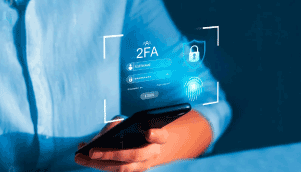
Control who accesses what information, when, and how. Implement multi-factor authentication, least privilege policies, and centralized identity management.

HSM – Hardware Security Modules
Protect your cryptographic keys in secure, certified environments. HSMs enable compliance with international standards such as PCI-DSS, FIPS 140-2, and eIDAS.

Data Loss Protection, Monitoring and Prevention (DLP)
Monitor information usage in real time and prevent leaks of sensitive data inside and outside your organization, without interrupting operations.
Key and Secret Management
Centralize and automate the lifecycle of cryptographic keys, passwords, tokens, and certificates. Reduce human error and strengthen your security posture.
Why protect your data with Intexus?
Modular and interoperable architecture.
Integration with multiple platforms and clouds.
Regulatory compliance in regulated sectors.
Expert support and local assistance.
Learn how to protect your organization’s critical information with comprehensive, scalable, and secure solutions.

The ideal solution for these industries and sectors
Government
Aviation and travel
Government
Health
Financial
Aviation and travel
Retail, services and production
What we get asked most
Get your questions answered.
How can a company know what sensitive data it has and where it is stored?
Through data discovery and classification solutions, which automatically scan an organization’s repositories (databases, file servers, email, cloud) and identify sensitive information such as personal data, credit card numbers, medical records, or credentials. Once identified, the information is classified according to its sensitivity level, and its protection can be prioritized. Intexus offers this capability as a starting point for any data protection strategy, aligned with regulations such as GDPR, ISO 27001, and local data protection standards in Latin America.
How can an organization protect its sensitive information from a data breach?
Comprehensive data loss prevention (DLP) involves monitoring and controlling the channels through which information can leave the organization: email, cloud storage, USB devices, printers, and web browsing. When an attempt to send or copy sensitive information outside of authorized channels is detected, the system can block it, alert the security team, or log it for auditing. Intexus implements DLP solutions integrated with CASB (for the cloud environment) as part of its data protection portfolio.
What is Zero Trust and why is it replacing traditional VPNs?
Zero Trust is a security model based on the principle that no user, device, or system should be automatically trusted, even within the corporate network. Unlike VPNs, which grant broad network access upon user authentication, Zero Trust continuously validates the identity, device status, and context of each access request, granting only the minimum necessary permissions. This drastically reduces the impact of a compromised access point. Intexus implements Zero Trust Architectures (ZTNA) for organizations seeking to modernize their remote access security.
What is transaction monitoring and what is its purpose in the financial sector?
Transaction monitoring is the real-time (or near real-time) analysis of financial transactions to detect unusual patterns that may indicate fraud, money laundering, or account misuse. When a transaction exceeds certain thresholds or exhibits atypical behavior, the system generates an alert for review. It is a key component of AML (Anti-Money Laundering) compliance and fraud prevention for banks, fintechs, and payment processors. Intexus offers transaction monitoring solutions tailored to the Latin American regulatory context.
How can a company comply with data protection regulations such as GDPR, ISO 27001, or local regulations in Latin America?
Compliance requires a structured process: first, discovering and classifying what data exists and where; second, implementing technical controls (encryption, DLP, access management, monitoring); third, defining data processing policies and procedures; and fourth, demonstrating through evidence and audits that the controls are effective. Intexus offers technical solutions and professional services to support organizations throughout this compliance journey, from diagnosis to implementation.