

Establishing the criteria that qualify an airport as Tier 1 is a common question in the industry. In most cases, it is thought that it depends on the luxuries and additional services that the airport offers, but perhaps the most important thing is overlooked, which is the efficiency and safety of the operation that can be achieved with the use of emerging technologies.
The Skytrax organization, in charge of rating airports worldwide, takes into account two main premises: the quality of the facilities offered and the user experience combined with the service of the staff. However, meeting these criteria takes time and effort, with the result that five-star airports are mainly located on the Asian continent.
These airports are considered first class for their facilities, comfort, cleanliness, shopping areas, food offerings, staff service and, above all, for their security and innovative schemes for passenger and visitor traffic. In Latin America, these aspects are a bottleneck in different scenarios, such as control and access zones. The constant criticism from passengers and crew members due to the long lines for check in and immigration control make us still a step below those big airports in the world, and unusually, today we continue to find endless lines at the entrance and exit of passengers, immigration and even in the boarding lounges, causing even the loss of flights for passengers.
Emerging technologies to improve airport operations
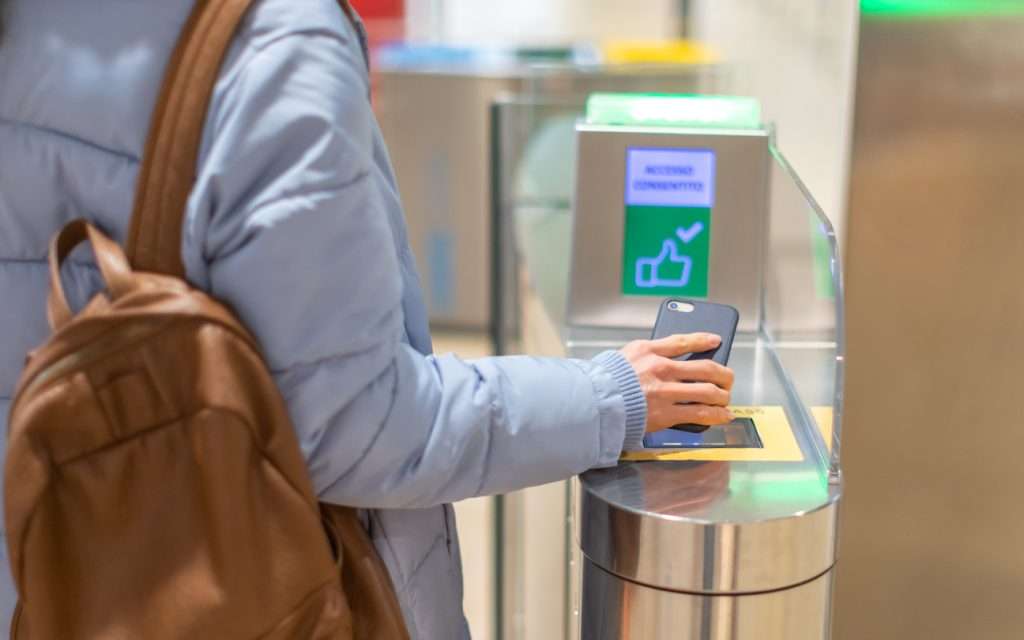
The good news is that services based on emerging and cutting-edge technologies could make chaos a paradise on each of our journeys. Emerging technologies are changing the paradigms of airport operations with the use of mobile applications for secure traveler identification that enable remote identity verification, digital travel credential generation and contactless border controls through biometric gateways that streamline airport transit and make the travel experience faster, smoother and safer.
The biometric corridor technology allows the agile and transparent transit of people during their stay in the facilities of each of the airports they visit, passing through robust immigration controls, avoiding identity theft with a digital identity card that allows the traveler to identify himself at any checkpoint and that is part of an identity wallet where the electronic passport, the passport and even this same technology creates behavioral profiles and stress analysis that alert about suspicious behavior of passengers.
World-class airports with emerging technology
Airports such as Singapore and Hamad in Doha have already been working with the implementation of biometric corridors with great success, improving not only the user experience but also the security of passenger screening. The use of biometric corridors speeds up the control process, prevents identity theft and detects anomalous behavior inside air terminals.
Future trends point to further integration of advanced identification technologies that will continue to improve efficiency and security at airports to meet world-class safety, efficiency and service standards.
With these advances, airports can offer a more comfortable, safe and efficient travel experience, rising to the level of the world’s best in a sustainable way over time.
Learn more about identification technologies for travelers here